The Floating Highway: Washington State Ferries Carry More Riders Than Any Ferry System in America
More than 20 million riders a year, 21 boats, 20 terminals — the Washington State Ferries are the busiest in America, and they have been part of the state highway system since 1951.
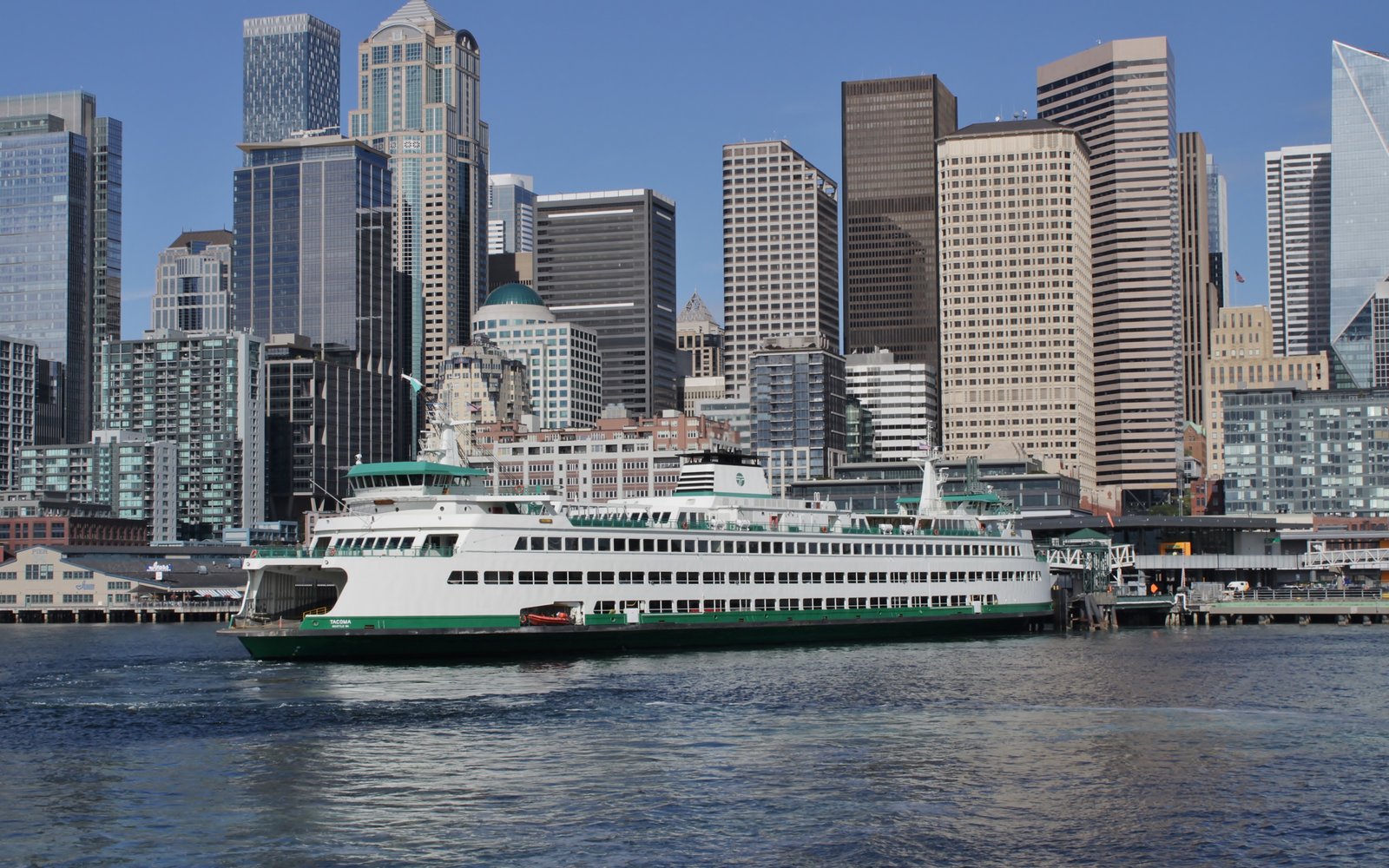
The largest ferry system in America started, as most Washington institutions did, with a practical problem: a state threaded with water, and roads that stop at the shore.

Washington State Ferries began operations on June 1, 1951. Seventy-five years on, per the state ferries division's 2026 fact sheet, it carries more than 20.1 million riders a year (2025) — the busiest ferry system in the United States — and more than 9.4 million vehicles, the second-largest vehicle-carrying ferry operation in the world.
The fleet is 21 auto-passenger vessels serving 20 terminals across eight counties, run not as a transit novelty but as part of the state highway system: the boats are, legally and practically, floating extensions of the roads.
The busiest route is Seattle to Bainbridge Island, with 5.2 million riders in 2025, followed by Edmonds/Kingston (3.86 million) and Mukilteo/Clinton (3.71 million). Seattle's main terminal is Colman Dock on the downtown waterfront; the fleet's maintenance base is Eagle Harbor on Bainbridge Island.
One piece of the map is still missing: service to Sidney, British Columbia, remains suspended, the system's one international route waiting on its future.
For the launch of this newsroom, the ferries are the right place to start — no other system moves more of Washington, more quietly, every single day.